Jean Luis Rodríguez Consolidates the Resurgence of the Dominican Port Sector with Historic Advances

Santo Domingo, DR: In just five years at the helm of the Dominican Port Authority (APORDOM), Jean Luis Rodríguez has placed the country on a path of historic transformation in the maritime sector, combining modernization, strategic investment, and financial strengthening. What began in 2020 as a challenge to recover port lands and clean up institutional finances has today translated into record numbers: 18 docks have been built, five cruise terminals are in operation, an accumulated investment exceeding US$531 million, and the settlement of debts amounting to RD$1.3 billion.
The advances in port infrastructure are not limited to major cargo and logistics projects but also extend directly to coastal communities. From Palenque to Río San Juan, including Miches and Saona Island, 18 fishing and tourist docks have been built, directly benefiting fishermen, merchants, and local entrepreneurs. The initial goal was 11 docks; the result has far exceeded that figure.

At the same time, the Dominican Republic has doubled its cruise tourism capacity. While 1.13 million cruise passengers arrived in 2019, projections for 2025 stand at 2.6 million—an increase of 140% in just six years. Terminals such as Taíno Bay, which in 2024 received more than 800,000 tourists, and new developments in Barahona and Samaná have been key to consolidating the country as a leading port destination in the Caribbean.
Investments and Strategic Projects

The investment portfolio includes the Puerto Plata port, with US$101 million allocated and capacity to receive three cruise ships simultaneously; the Barahona port, with RD$834 million invested and prepared to receive cruise ships starting in 2026; and the Arroyo Barril port in Samaná, with US$68 million through a public-private partnership that is expected to generate up to 1,500 jobs. Additionally, the Cabo Rojo port in Pedernales has received US$48 million in its initial phases, projected as the leading tourism driver in the south, while the Manzanillo port is undergoing a key modernization for agricultural exports with the support of the Inter-American Development Bank (IDB) and the Ministry of Public Works, expected to be completed by the end of 2026.
The plan also envisions the conversion of Puerto Duarte into the country’s first “green port,” operating under international sustainability standards with solar lighting and waste recycling.
Logistics, Cargo, and Regional Hub
Another side of progress lies in cargo logistics. Dominican ports currently handle approximately 2.3 million TEUs (twenty-foot equivalent units). With planned expansions at Haina and Caucedo, valued at over US$300 million, the goal is to reach 3 million TEUs in the coming years. This leap would establish the country as a leading logistics hub in the Caribbean.
APORDOM’s financial management has been another cornerstone of transformation. In five years, institutional debt was reduced by RD$1.3 billion, while monthly revenues increased from RD$56 million to RD$140 million. This growth, exceeding 40%, has allowed works to be financed with internal funds and has generated an annual surplus of RD$250 million, ensuring long-term sustainability.
The modernization vision has also focused on human capital. With the creation of the National Institute of Port and Logistics Training (INPLOG), more than 450 students have received specialized training in the maritime and logistics sector, promoting professionalization and reducing reliance on foreign labor in technical positions.
Business chambers and the Shipping Association have recognized Jean Luis Rodríguez’s ability to coordinate efforts between the State and the private sector. However, the challenge for 2026 will be maintaining the pace of growth, ensuring that private investments serve the public interest, and avoiding a modernization that is concentrated only in tourist poles, leaving smaller communities behind.
A Vision for the Future
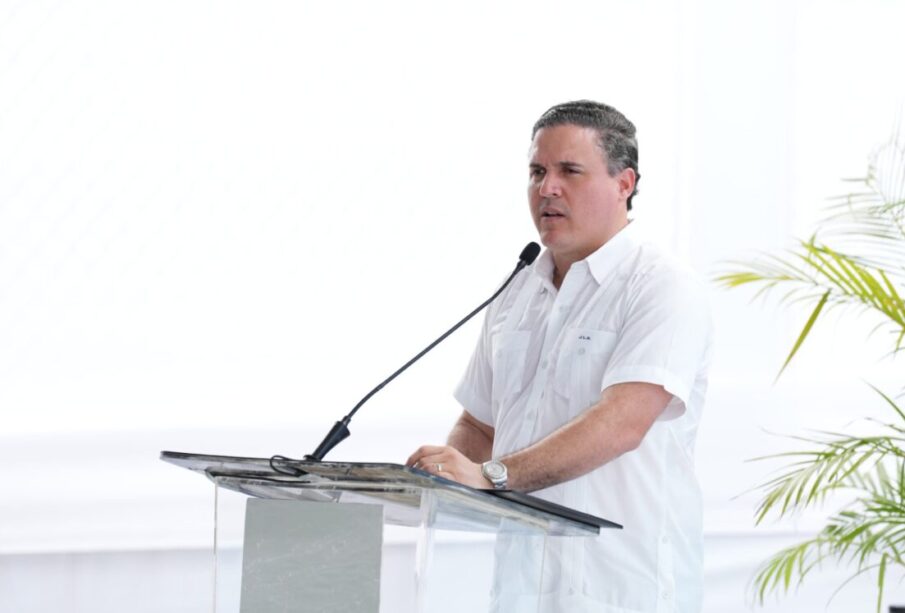
“When we took office in 2020, we set out a clear plan: recover port assets, modernize infrastructure, attract investment, and generate development in coastal communities. Today, we can say we have delivered with concrete results,” Rodríguez recently stated.
With an active project portfolio and a strategy of international partnerships, APORDOM projects that by 2026 the Dominican Republic will have consolidated itself as the most important logistics and tourism hub in the Caribbean—an ambitious goal marking a before and after in the history of the national port sector.