Released Dominican Resident Detained by ICE in Newark After Judicial Decision
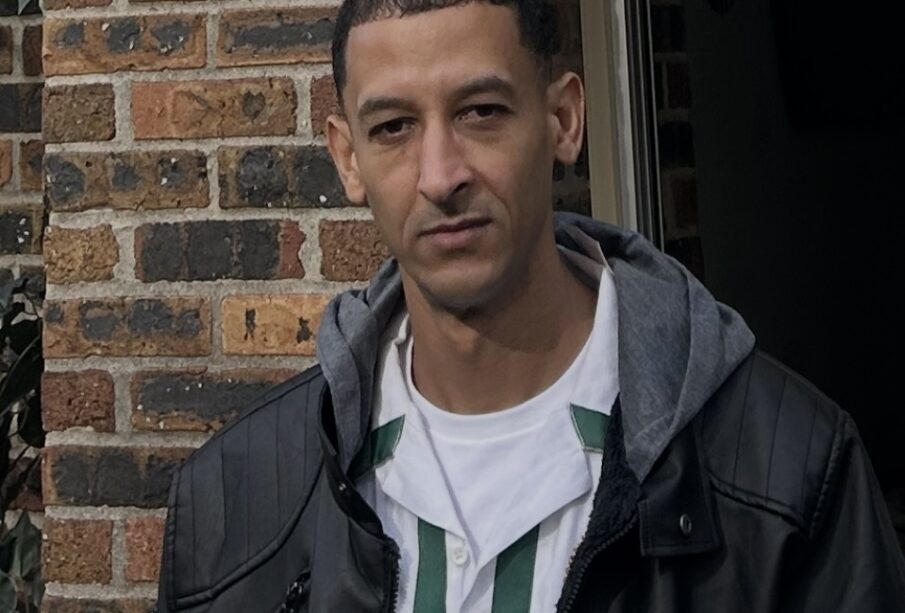

New York: at Newark International Airport in New Jersey, the life of Heury Secundino Gómez Grullón changed in a matter of seconds. Immigration and Customs Enforcement agents intercepted him as soon as he crossed the federal inspection area, without further explanation, notifying him that he was facing a deportation proceeding for minor infractions committed years earlier. It was the beginning of an ordeal, a nightmare that would separate him from his son Noah, a young man with severe disabilities who depends exclusively on him.
From that moment, Heury was transferred to the North Lake Processing Center in Michigan, hundreds of miles from his family. His arrest was apparently just another case within the immigration system. However, the story took an unexpected turn when El Faro Latino published the news exclusively, turning it into one of the most talked-about cases in the Dominican diaspora in the United States. The publication went viral, breaking the newspaper’s own internal records of most-read articles, and it was replicated by diaspora media, national outlets, and Dominican press, gaining a wave of community and media support.

Meanwhile, his son Noah remained in a specialized hospital. From detention, the father could only see him at times through video calls. He recounts that sometimes the young man would smile when he saw him, but other times he remained silent, as if something were missing. The uncertainty over his future consumed him. His emotional health also deteriorated. He began losing hair due to stress. And although his family maintained regular contact with the child, the father’s absence was a deep blow.
-
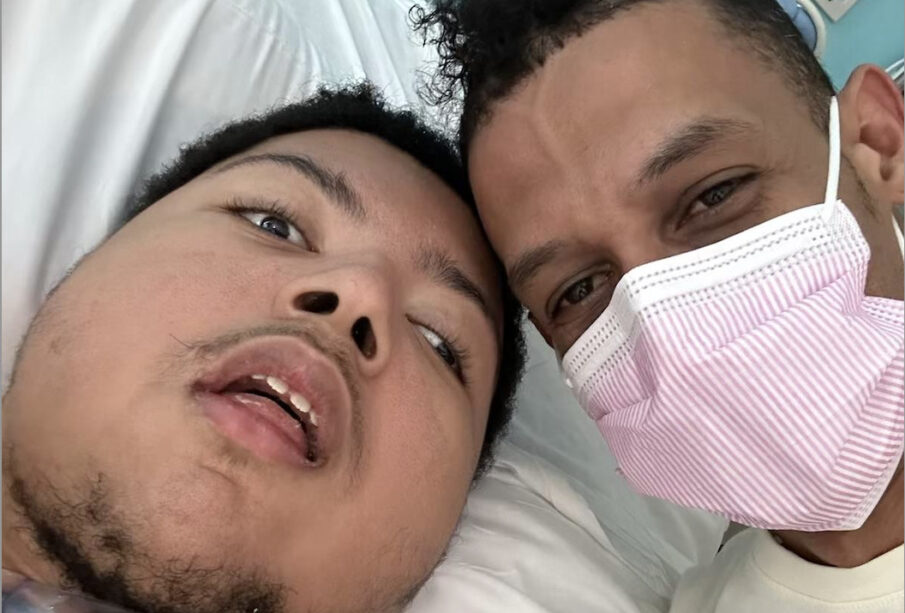
- Archive photo: Heury Secundino Gómez Grullón with his son Noah.
Inside the detention center, Heury lived through episodes that left a mark on his memory. He describes abuses committed by federal convicts housed alongside civil detainees, a system that mixes individuals with long criminal sentences with those who have not committed any crime at all. He recounts scenes of extreme physical violence, beatings inside the cells, and supervisors arriving only after the evidence had already been removed. He himself avoided conflicts so as not to put at risk the only chance of returning to his son and relatives.

The decisive moment came in the Detroit courtroom, where Judge Ian Simons had to determine his future. Initially, the magistrate determined that Heury was removable under Section 212 of the Immigration and Nationality Act, due to past infractions already resolved in New York State court.
But the story did not end there. After hearing the testimony, reviewing his work history, and evaluating his two decades of life in the United States, the judge also considered a determining element: Heury’s role as the legal custodial parent of a young man with severe disabilities, previously supported by a Bronx Family Court ruling.

When the judge acknowledged that the incident Heury faced in 2015 had been an isolated error that never repeated, and that since 2005 he had lived without committing violent crimes, building a life through work and taxes, something shifted in the courtroom. Heury recalls the moment he heard the final decision. His eyes filled with tears as he realized he would be able to return to his son. He said he could not imagine the young man’s life without his presence.
On November 12, 2025, Judge Ian Simons officially granted Cancellation of Removal 42A for Permanent Residents, nullifying the deportation and restoring Heury’s immigration stability. The court formally recognized his right to remain in the United States, a ruling that changed the course of the case and was recorded in the judicial document issued after the hearing, which El Faro Latino accessed.
The news of his release brought relief to his family, to the community that supported him, and to Heury himself, who attributes his victory to the media and community impact surrounding his case. He said that when he saw El Faro Latino’s publication, he felt hope for the first time inside the detention center. He showed the news to other detainees, who told him it might help him get out. He acknowledges that this public support was a key element in his release.
Today, after regaining his freedom, he expects to reunite with his son Noah over the weekend. Heury looks to the future with a mix of gratitude and warning. He says the immigrant community is facing very difficult times and urges Latino families to begin their citizenship process as soon as possible to avoid situations like his. He says those with minor past infractions should seek legal guidance before leaving the country and not assume that their rights as permanent residents are fully protected.
Finally, he makes a direct call to legislators and immigration authorities. He considers it urgent to end the practice of housing civil detainees in the same areas as federal convicts serving long sentences. He views it as inhumane and dangerous for those like him who maintain the hope of returning to their families.
Heury’s release is not just the closing of a file. It is the story of a father who resisted a system that nearly separated him from his son. A case that reminds the immigrant community of the fragility of their rights when the law is applied without nuance. And it is, above all, a testament to how visibility, solidarity, determination, and timely journalistic work can change the fate of a family.