
Amber Cove Puerto Plata Cruise passengers’ route at risk due to the construction of a waste biodigester
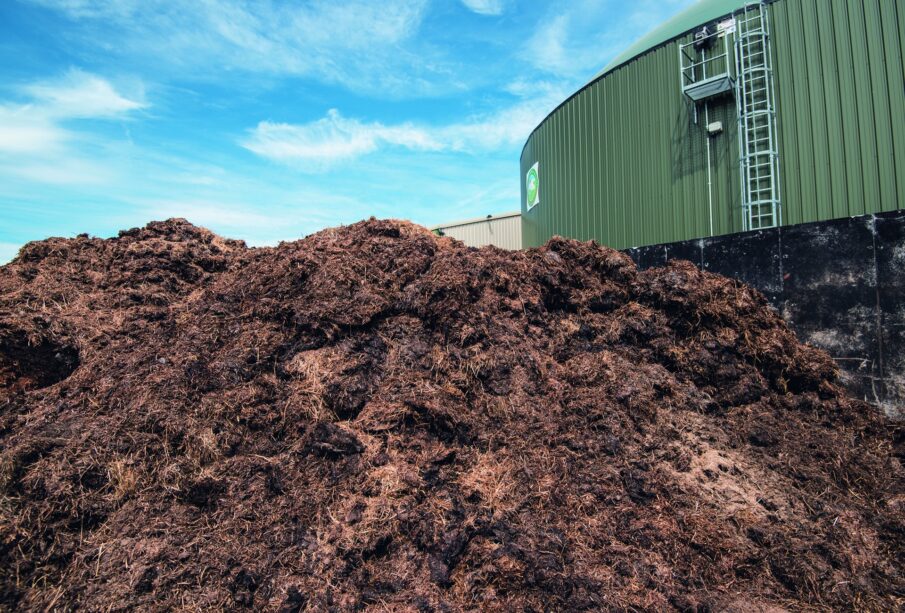
Puerto Plata, DR: Public outrage is growing. Dozens of residents of the “Bride of the Atlantic” have sent El Faro Latinoan urgent plea to halt the installation of a solid waste recycling plant just meters from the route used daily by thousands of cruise tourists who arrive at the Amber Cove terminal and head to the historic center of Puerto Plata, as well as others staying in nearby hotels.
The project, which seeks to install a biodigester, is promoted by businessman and architect Francisco E. Veras Paulino, under the name “Función Ecológica” (Code S01-25-00570), has set off alarms among residents, tourism entrepreneurs and academics, who warn that the initiative, far from representing an ecological benefit, could become an environmental and public health time bomb with direct repercussions on the tourism image, public health and the local economy.
-

- Architect Francisco E. Veras Paulino
Direct call to the authorities

Those filing complaints are calling for the immediate intervention of President Luis Abinader Corona, Jean Luis Rodríguez, executive director of the Dominican Port Authority (APORDOM); Armando Paíno Henríquez, minister of Environment and Natural Resources; Raúl Enrique Brugal Meyreles, provincial director of Environment; and Mayor Roquelito García, so that they block the project before it is too late.
“It is inconceivable to place a garbage processing plant at the gateway to our visitors. Cruise passengers and other tourists will pass in front of a source of foul odors, pests and visual pollution, precisely when we are seeking to project Puerto Plata as a first-rate destination,” a community member denounced.
A threat to tourism and health


The planned location, in an area of approximately 1,000 square meters on the Gregorio Luperón highway, the mandatory access to the historic center, not only puts the tourist experience at risk, but, just a few meters away, is the Puerto Plata campus of the Autonomous University of Santo Domingo (UASD) and its public cafeteria, as well as two school kitchens that feed more than 1,000 children between 5 and 10 years old, whose health would be compromised by the proliferation of pests and the emission of harmful gases, and two emblematic and traditional restaurants that are part of the regional brands.
Among the areas directly affected are the Puerto Plata University City and Cafemba, as well as the Costambar and Cofresí tourism projects. Nearby restaurants, shops, and homes, as well as large complexes such as Lifestyle Tropical Beach Resort & Spa, Cofresí Palm Beach & Spa Resort, and Ocean World Water Park, are also affected.
The risks of the biodigester
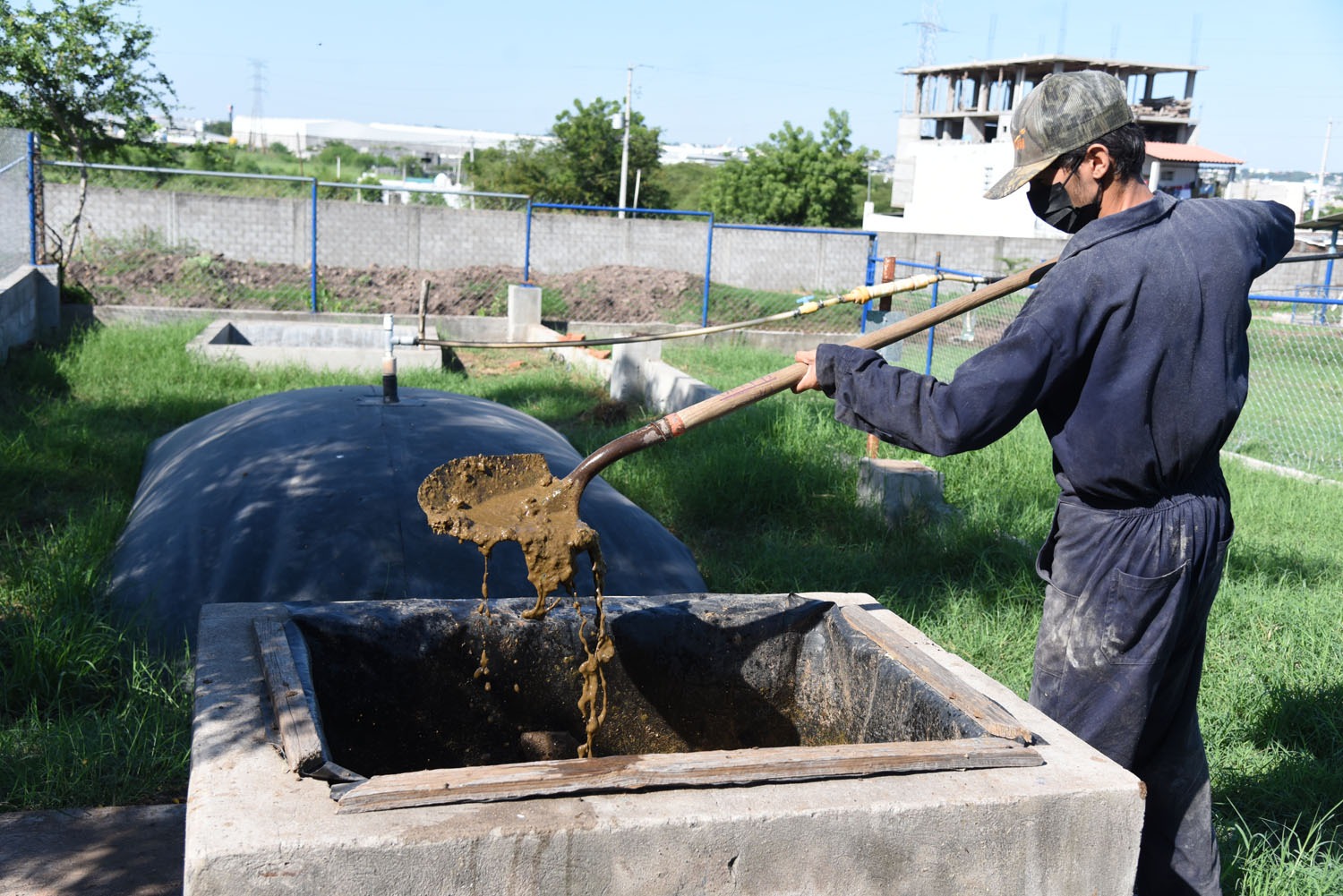
Although the project is presented as a “green” plant to process waste and generate biogas, experts and residents warn that a poorly planned solid waste biodigester can bring irreversible consequences such as air pollution from gases like methane and hydrogen sulfide, with strong odors and harmful health effects; contamination of water and soil from leachate and poorly managed waste; pests and disease vectors such as rats, flies and cockroaches; risk of explosions and fires due to the flammability of biogas; and a negative impact on the tourism image and job losses.
A controversial public hearing
El Faro Latino had access to a letter sent by architect Veras Paulino himself to the Minister of Environment, Paíno Henríquez, and to Neftalí Brito, director of Environmental Assessment, convening a public hearing on August 14 at the place where the facility is planned to be installed.
In the letter, the businessman claims to comply with the General Law on Environment and Natural Resources (No. 64-00). However, residents question the transparency of the process and denounce that the call “seems more like a formality to legitimize irreversible damage than a true public consultation.”
Citizens demand that the project be halted before its approval, arguing that its location is illogical, undermines sustainable tourism development, jeopardizes the health of thousands of people, and negatively impacts the development of multiple businesses established in the area.
“This is not only about defending the city’s aesthetics, but about protecting lives, preserving our environment and preventing Puerto Plata from becoming an example of how to destroy a tourist destination with a single bad decision,” they warn.
El Faro Latino joins the call for vigilance and demands an immediate response from the authorities that prioritizes the collective interest over private gain.