Consul Vásquez Martínez shares U.S. and Foreign Ministry version on DEA closure
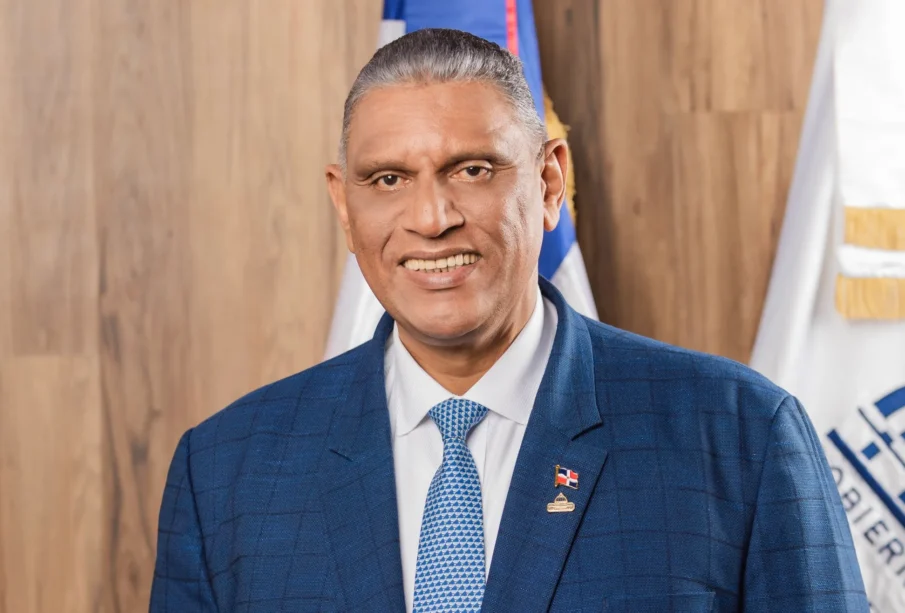
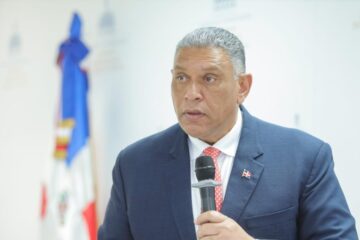
New York. The Dominican consul in this city, Jesús Vásquez Martínez, known as Chu, decided to intervene in the public debate generated following the announcement of the closure of the DEA office in the Dominican Republic by sharing the official messages from both the Dominican Foreign Ministry and the United States Embassy in Santo Domingo.

The DEA, the English acronym for the Drug Enforcement Administration, is a federal agency attached to the United States Department of Justice, created in 1973 to combat drug trafficking, the illicit distribution of controlled substances, and money laundering, with coordinated operations at the national and international levels; its presence in the Dominican Republic has been part of bilateral cooperation in the fight against transnational organized crime.

On his X account, Vásquez Martínez first reposted the message from Foreign Minister Roberto Álvarez, who reported that he held a direct conversation with U.S. Ambassador Leah Campos. According to the foreign minister, the closure of the DEA office in the country is due to an internal investigation by the United States Embassy and bears no relation whatsoever, categorically, to the Dominican government or to any Dominican official.
In a second shared message, the consul highlighted the official position of the U.S. Embassy, which described the measure as a temporary closure intended to allow the development of an internal investigation. In that statement, Washington reaffirmed that the Dominican Republic continues to be a fundamental partner in regional efforts to combat narco-terrorism and that bilateral cooperation will continue at the same steady pace while the investigative process moves forward.
The context, however, is more complex than a simple administrative pause. The announcement of the indefinite closure occurred in mid-February 2026 amid an internal scandal that U.S. authorities described as a case of corruption and abuse of power. Ambassador Campos accompanied the decision with a message of zero tolerance, stating that using an official position for personal benefit constitutes a serious violation of public trust.
Hours later, it emerged that a DEA supervisor assigned to the Dominican Republic, identified as Melitón Cordero, was arrested and charged in the United States with alleged conspiracy to commit bribery and visa fraud, as part of an investigation related to the misuse of a visa program linked to informants and interagency cooperation.
The reaction of Consul Vásquez Martínez, by amplifying the official statements of both sides, places emphasis on the institutional narrative that this is an internal process of the United States, while the public debate in the Dominican Republic remains marked by the political and diplomatic implications of a case that shook anti-drug cooperation between the two countries.