Representative Danilo Burgos Pushes Legislation to Expand Access to Health Care in Pennsylvania
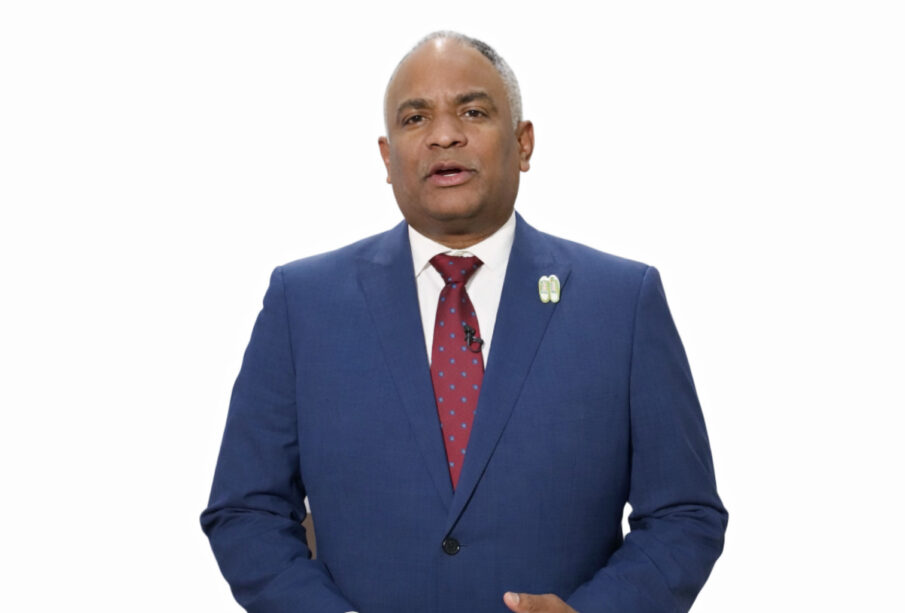
Philadelphia, PA.– State Representative Danilo Burgos has placed the physician shortage in Pennsylvania at the center of the legislative debate. On January 8, he introduced House Bill HB 2121 in the Pennsylvania House of Representatives, an initiative aimed at expanding access to health care through a reform of the Medical Practice Act of 1985.

The proposal emerges in a critical context. Pennsylvania is facing a growing shortage of health care professionals that is already directly affecting patients, hospitals, and community clinics. This is not a distant warning, but a reality currently felt most acutely in rural areas and low-income communities.

National projections indicate that by the year 2030 the United States will face a shortage of nearly 120,000 physicians. In Pennsylvania, estimates suggest that at least 1,039 additional doctors would be needed to meet current demand. However, the problem does not lie solely in the training of new professionals, but in a system that fails to retain or replace those who retire.
More than one-third of physicians currently practicing in the state are of retirement age. At the same time, Pennsylvania offers only about 350 annual residency slots in primary care, and nearly half of those who complete these programs ultimately practice outside the Commonwealth. This is compounded by the limited effectiveness of loan forgiveness programs designed to attract physicians to rural areas and by legislation that many consider outdated in light of current health care system needs.
The consequences are already evident. Twenty counties have recorded significant declines in the number of primary care providers. Thirty-two of the state’s 67 counties are classified as health professional shortage areas, known as HPSAs. In these areas, a single provider may be responsible for 3,500 patients or more. More than 380,000 Pennsylvania residents currently live in communities where access to a physician is limited or inconsistent.
-

- Dr. José R. Torradas y Dra. Nilsa R. Graciani
It is within this scenario that Burgos’s initiative takes shape. House Bill HB 2121 proposes creating a supervised, time-limited pathway for physicians trained in other countries to practice medicine in Pennsylvania. The goal is to expand the pool of available professionals without sacrificing quality standards, directing that talent toward communities with the greatest need.
Dr. José Torradas, who has worked closely with Representative Danilo Burgos in drafting and developing the bill, explains that the legislation seeks to respond to a real sense of urgency. According to Torradas, the proposal creates a path to full licensure for internationally trained physicians without requiring the traditional U.S. medical residency, while maintaining strict oversight and supervision mechanisms.
The legislation establishes that physicians holding provisional licenses would be required to practice under supervision and in designated underserved areas. In this way, qualified professionals would be directed toward rural regions and historically marginalized communities, many of which have a high Latino population.
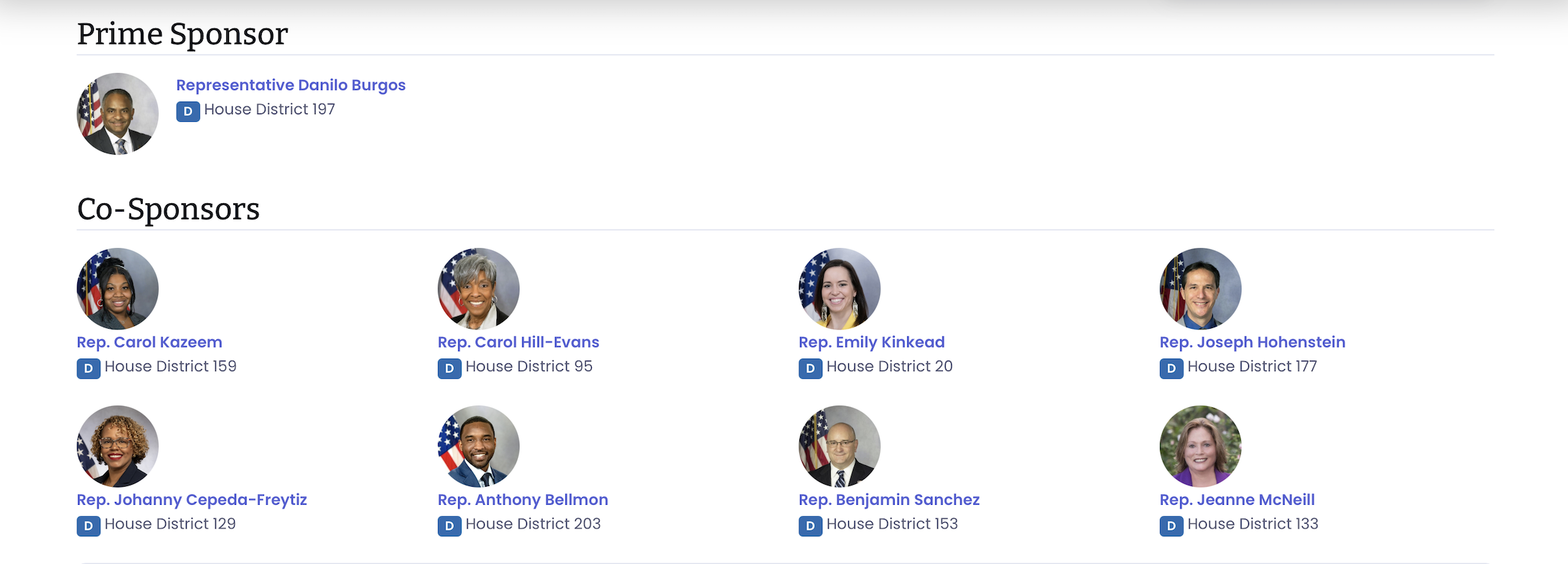
HB 2121 is sponsored by Burgos and co-sponsored by several Democratic legislators. An internal memorandum circulated among House members details that the State Board of Medicine would be authorized to issue provisional licenses for a period of up to four years, provided that applicants meet rigorous requirements.
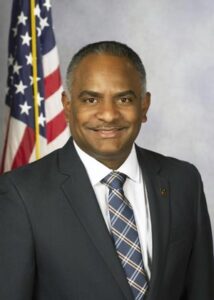
Representante Danilo Burgos.
These requirements include certification by the Educational Commission for Foreign Medical Graduates, verification of foreign medical training, proficiency in the English language, passage of the USMLE Step 1 and Step 2 exams, legal authorization to work in the United States, and a full-time job offer from a licensed health care facility in Pennsylvania. The proposal also requires annual reports to the General Assembly as a mechanism for oversight and accountability.
If a physician satisfactorily meets all conditions during the provisional period, the bill establishes a clear pathway to obtaining a full, unrestricted medical license. The text states that the Board should not unreasonably delay approval if all applicable agreements and regulations have been fulfilled.
Similar initiatives have already been approved in at least eighteen states, including Tennessee, Illinois, Virginia, and Florida. Although many of these laws remain in early stages of implementation, the state of Washington has already issued dozens of licenses under a comparable model.
From the academic sector, the proposal is also viewed as an opportunity to improve representation within the health care system. Dr. Nilsa R. Graciani, academic dean of Esperanza College, argues that these provisional licenses could help reduce the gap in Hispanic physician representation in Pennsylvania. While Hispanics make up nearly 10 percent of the state’s population, only 6 percent of physicians are of Hispanic descent.
For now, House Bill HB 2121 is awaiting assignment to a legislative committee. Its supporters believe the debate is just beginning and are urging Pennsylvania residents to get involved by contacting their representatives to support an initiative that, if enacted, could help ease a crisis directly affecting hundreds of thousands of people across the state.