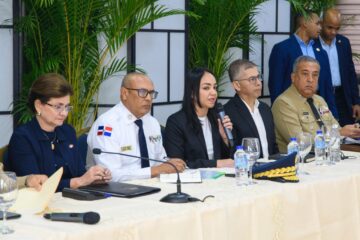

Swift Action by President Luis Abinader Was Key to Reducing the Impact of Tropical Storm “Melissa” in the Dominican Republic
Santo Domingo, DR. – Tropical Storm Melissa, which moved slowly over the Caribbean, posed a serious threat to the Dominican Republic by combining persistent rainfall, already saturated soils, and sudden flooding from rivers and streams. Over the past 24 to 48 hours, between 183 and 203 homes have been reported damaged or flooded, and approximately 915 to 1,080 people have been displaced or evacuated, according to preliminary reports from the Emergency Operations Center (COE).
More than 1,090,000 water service users were left without potable water, affecting multiple aqueducts operated by the National Institute for Drinking Water and Sanitation (INAPA) and the Santo Domingo Water and Sewer Corporation (CAASD), according to national press reports.

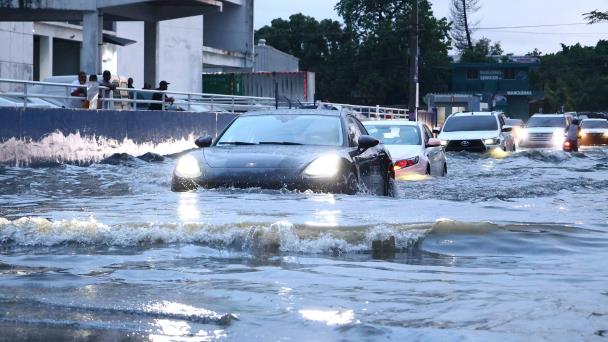

While no high death toll has been officially confirmed, at least one person was reported swept away by a swollen stream in Santo Domingo Este, an alarming reminder of the ongoing dangers.
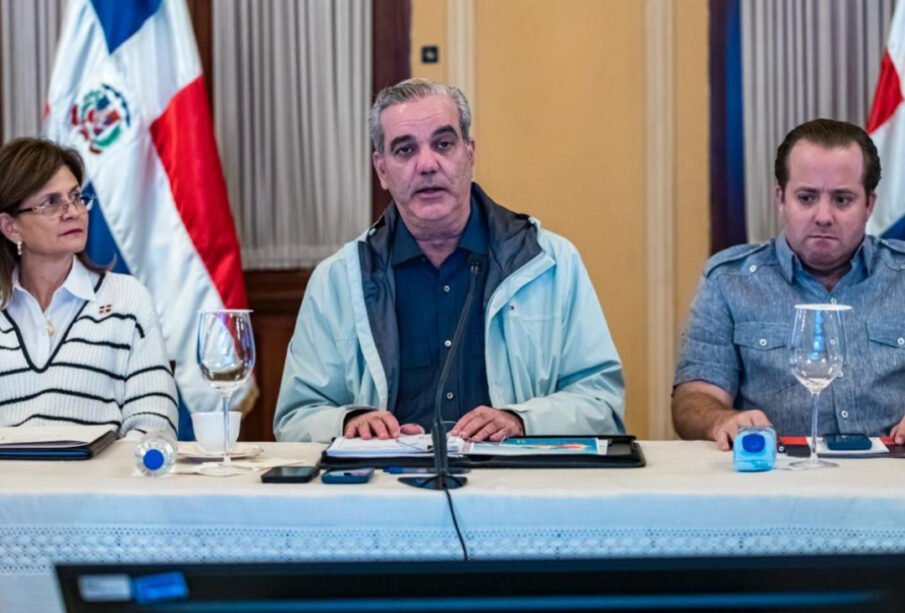
In response, President Luis Abinader mobilized state resources in advance: suspending work activities in several provinces, ordering the clearing of waterways, deploying road maintenance equipment, and coordinating preventive evacuations in coastal and island communities, such as the evacuation of 98 people from Saona Island to protect lives. Thanks to this early intervention, the Dominican Republic was able to contain what could have become a much more severe disaster. Although significant, the number of affected homes remained well below the most pessimistic projections, and essential services, though disrupted, are now in the process of being restored.

-

- The intervention of President Luis Abinader and his emergency team has been instrumental in preventing further damage.
The recovery phase remains critical. Water systems are still compromised, communities remain partially isolated, and the COE continues to maintain active alerts in 28 provinces facing risks of flooding, landslides, and rising river levels. In this regard, the government’s strategy demonstrates that anticipation and strong institutional coordination can make a decisive difference in the face of severe weather events.
The challenge now is ensuring that the response not only contains the damage but also strengthens the country’s resilience ahead of future storms. Continued attention, infrastructure repair, and sustained support for the most vulnerable communities will be essential as they cope daily with the aftermath of Tropical Storm Melissa.