

New York City — El Faro Latino warned that failure by the Junta Central Electoral to comply with a ruling issued by the Tribunal Superior Administrativo could have consequences beyond Dominican jurisdiction. The warning follows a legal dispute initiated by the outlet and its director, Esteban Cabrera, after the electoral body refused to provide financial documents related to overseas voting in the 2024 elections.
The case was heard by the Fourth Chamber of the TSA, which on May 28, 2025, upheld the constitutional protection action filed by El Faro Latino and ordered the JCE to deliver specific information regarding the management of public funds allocated to overseas electoral processes. More than six months after the ruling, its effective execution remains disputed. The outlet directed its warning to JCE president Román Jáquez Liranzo and Well Sepúlveda, who are responsible for overseeing the administration and use of those resources.
Receive breaking news alerts
Immigration, New York, Dominican Republic and investigative news delivered directly to your phone and computer.

Free — unsubscribe anytime.
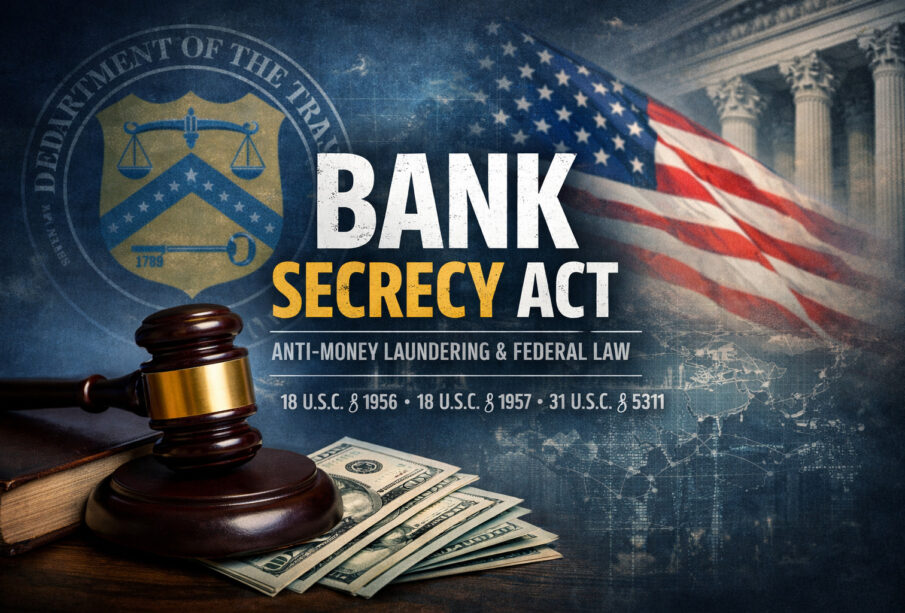
El Faro Latino stated that if it is confirmed that part of those funds was managed through the U.S. financial system, including transactions in dollars and through U.S.-based banks, federal jurisdiction mechanisms could be activated. The legal framework referenced includes the Bank Secrecy Act, the Money Laundering Control Act, federal bank fraud statutes, and wire fraud laws, reinforced by provisions of the USA PATRIOT Act. These references do not constitute formal accusations but outline a potential legal scenario when foreign public funds are handled through the U.S. financial system.
Although the ruling was issued in May, El Faro Latino was not formally notified until mid-November 2025. This delay is a key element in the dispute, as under Dominican law, compliance deadlines begin only after formal notification. The JCE maintains that it complied by delivering a USB drive with information in September 2025, accompanied by a signed receipt. However, according to the outlet, that delivery occurred prior to notification and did not include all documents ordered by the court, such as detailed budgets, bank statements, transfers, and other key financial records.
Legal experts cited in the report indicate that partial delivery made before formal notification cannot be considered full compliance with a judicial ruling. The TSA established a 60-day compliance period starting December 5, 2025. If the JCE fails to provide all required documentation within that timeframe, the court may verify noncompliance, declare administrative contempt, and impose sanctions while reaffirming the constitutional right of access to public information.
Beyond the legal dispute, the case raises broader concerns about transparency in the management of overseas electoral funds and the right of the Dominican diaspora to access information on how public resources are administered. The report highlights that overseas voter registration reached more than 863,000 by 2024, while participation remained low, with abstention rates around 81 percent.
The situation becomes more complex when considering potential legal implications in the United States. Documented concerns include the closure in 2020 of four bank accounts linked to the JCE at Bank of America in New York, a measure typically associated with compliance alerts. If such investigations are confirmed, the consequences could extend beyond financial or criminal penalties and affect the feasibility of conducting Dominican electoral processes on U.S. soil.
The ruling has been issued. The deadline is running. The question is no longer whether a legal obligation exists, but whether it will be fulfilled and how far the conflict could escalate if it reaches U.S. courts.

Comments (0)
Be the first to join the conversation.