

Santo Domingo, DR. The province of Puerto Plata is in a scenario of growing tension over the installation of a biodigester or open-air waste processing facility and a plastic recycling plant on its main tourist access road, amid community complaints, ongoing legal actions and an official evaluation process still without a definitive conclusion, according to an investigation by the newspaper El Faro Latino of the United States.
Community members directed a direct and hopeful appeal to Armando Paíno Henríquez, Minister of Environment and Natural Resources of the Dominican Republic, appointed on August 2, 2024, whom they identify as a lawyer and environmentalist with a trajectory in both the public and private sectors, linked to the protection and sustainability of natural resources.
Receive breaking news alerts
Immigration, New York, Dominican Republic and investigative news delivered directly to your phone and computer.

Free — unsubscribe anytime.
Residents maintain that the minister has not been properly informed about the situation faced by residents of the Ciudad Universitaria sector, Cafemba, in Puerto Plata, and consider it necessary for him to learn firsthand the scope of the conflict affecting this area of the “Bride of the Atlantic.”
Despite the fact that, according to documented complaints, the recycling plant would have partially begun operations, the project would not have land-use permits from the city council, nor authorizations from tourism, construction and building authorities, environment, and public health.
El Faro Latino unsuccessfully attempted to contact Jeremías Ureña Cid, president of the Chapter House (City Council) of the Puerto Plata City Hall, and Raúl Enrique Brugal Meyreles, Provincial Director in Puerto Plata of the Ministry of Environment and Natural Resources, but all efforts were in vain because both officials did not answer calls or return messages.
Questions over alleged biodigester operations without the corresponding permits
According to the investigation carried out by the newspaper El Faro Latino and complaints documented by this outlet, the biodigester would be operating partially while its environmental permit remains in process, and within the same land constructions would have been initiated without final authorization, which, according to opponents, reinforces the perception that the project is advancing without final approval.
This situation has generated questions within the community, where some sectors have pointed out the need for the case to be evaluated by the competent authorities, including the Office of the Attorney General of the Republic, headed by Yeni Berenice Reynoso, as part of the institutional mechanisms provided by law.Yeni Berenice Reynoso, Attorney General of the Dominican Republic.

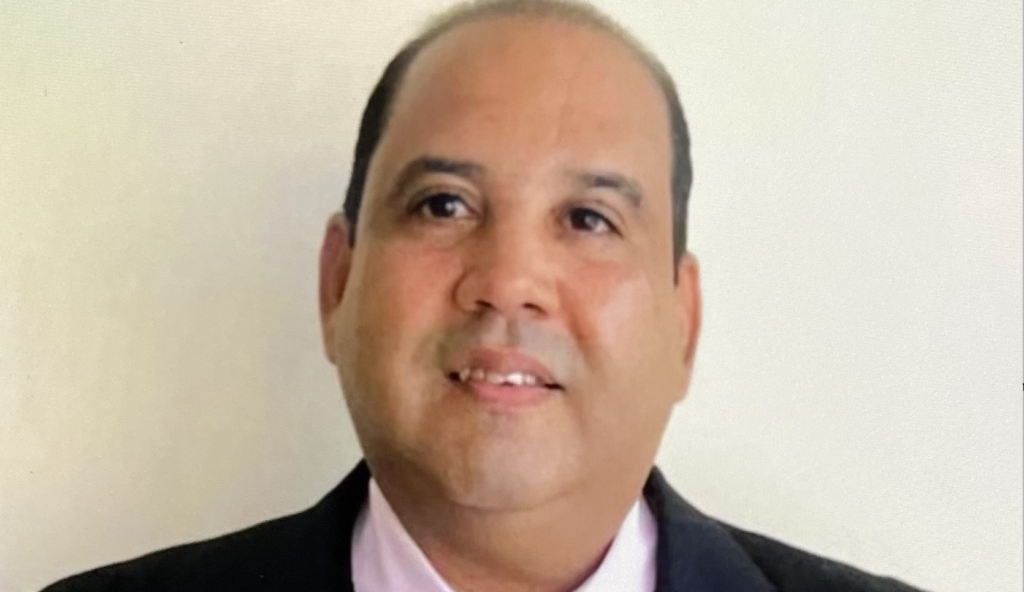
The project, promoted by the company Gestión Ambiental Punto Verde, linked to architect Francisco E. Veras Paulino, is being developed in a strategic area through which thousands of cruise passengers travel from Amber Cove to the historic center of Puerto Plata, in an environment that includes residential areas, restaurants, a school kitchen for hundreds of children, the Puerto Plata campus of the Autonomous University of Santo Domingo (UASD), educational centers and nearby tourist complexes such as Costambar and Cofresí.Architect Francisco E. Veras Paulino, affiliate or owner of Gestión Ambiental Punto Verde—owner of the waste recycling project.

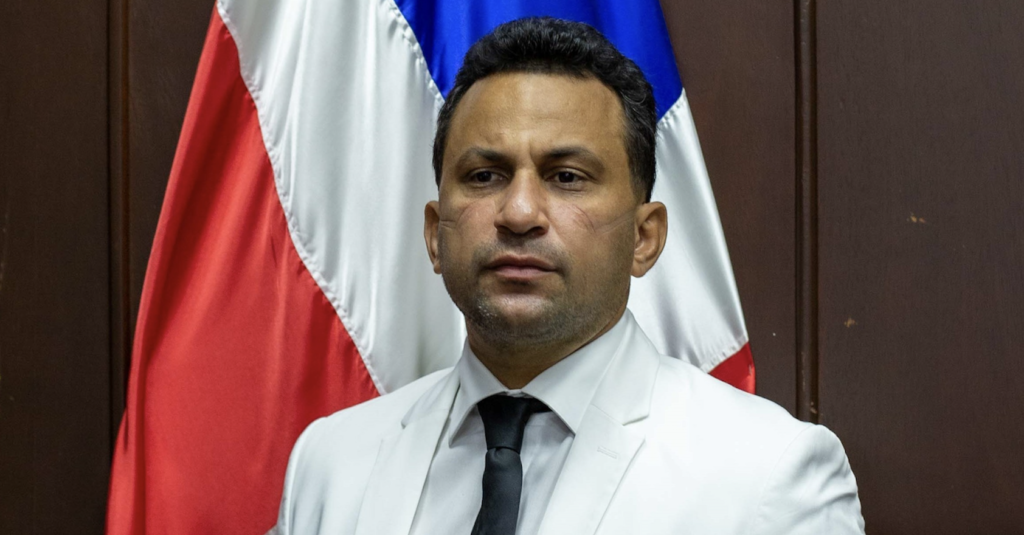
At the institutional level, the interviews conducted by El Faro Latino reflect limited responses and the absence of conclusive definitions. The northern regional director of the Ministry of Tourism, Atahualpa Paulino, stated in a telephone conversation that he was unaware of the project and requested that information be sent in order to provide a later response. However, after receiving the documents, he did not respond to further calls or messages, despite the fact that, according to documents in possession of this outlet, his office had received formal communications related to the installation of the plant.Atahualpa Paulino, Northern Regional Director of the Ministry of Tourism.
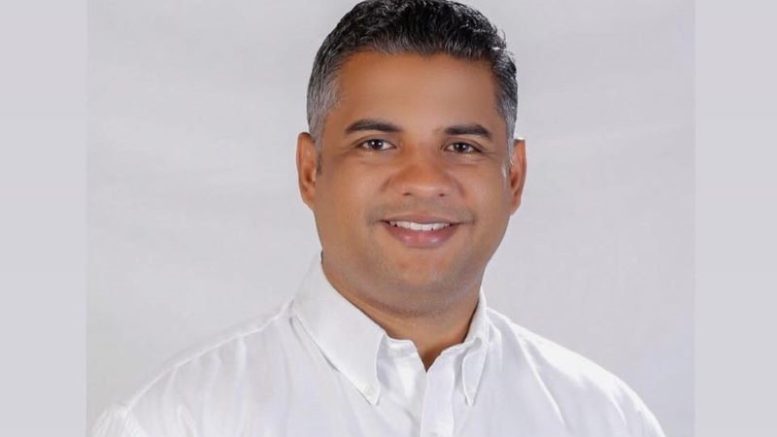
For his part, the environmental prosecutor of the province of Puerto Plata, Elvis García, indicated during the telephone interview that he does not provide official information through that means and only responds through formal written requests or in-person meetings. When asked about the case, he stated that he could not issue comments as it is not a process submitted to his office, noting that the evaluation corresponds to the Ministry of Environment and Natural Resources.
The intervention of a commission from the Ministry of Environment sent from Santo Domingo, headed by an official identified as María Isabel, has also been questioned by community members. During a conversation with this outlet, the official indicated that interviews had been conducted and that the survey had not concluded, so the results would later be submitted to her superiors.Elvis García, Environmental Prosecutor for the province of Puerto Plata.
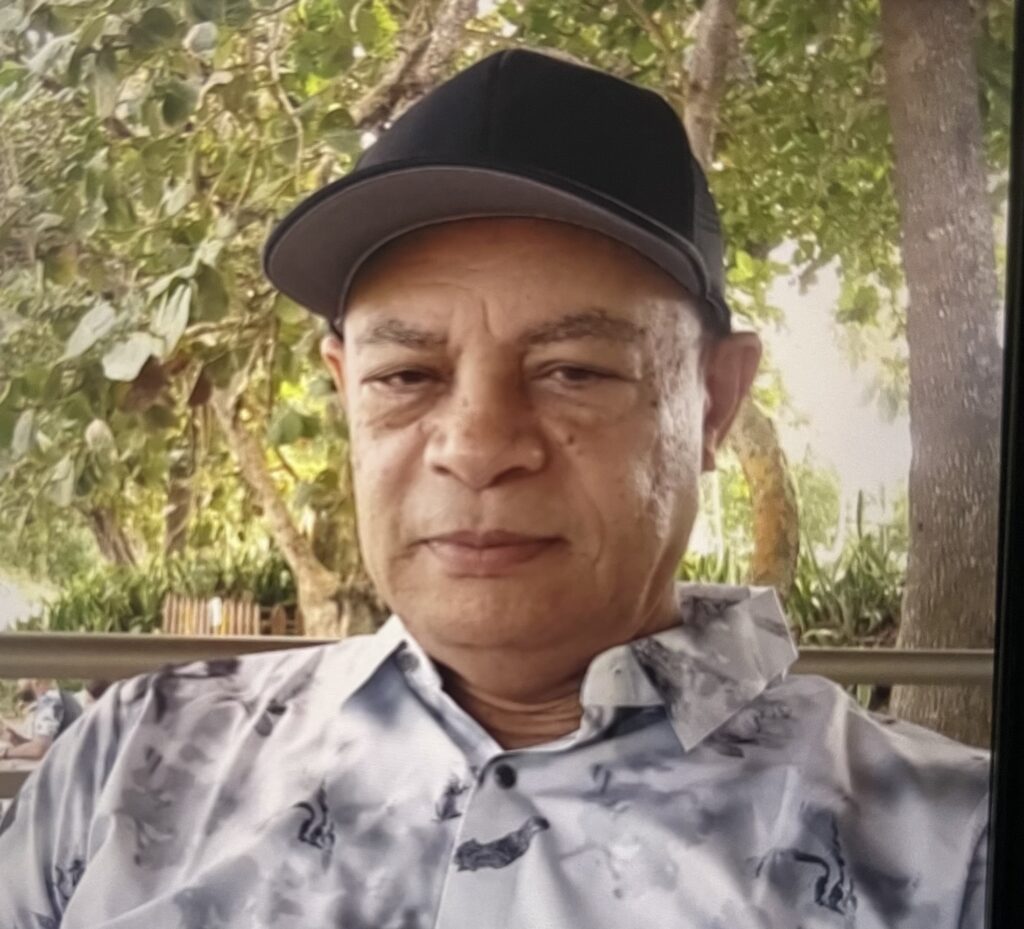
However, she avoided providing additional details and did not respond to new attempts at contact after being consulted about complaints regarding a possible operation without authorization.
According to complainants, a public hearing linked to the process would have been held without direct notice to the affected communities, which, in their view, did not guarantee effective participation of the impacted sectors.
In terms of public health, the provincial environmental health inspector, Luis Lorenzo Marmolejos, acknowledged during the interview that the project does not have permits from the Ministry of Environment and that, consequently, Public Health has not issued authorization for its operation.
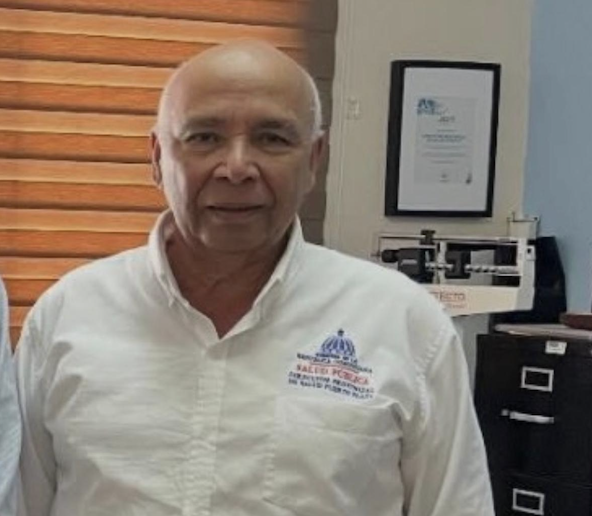
However, the official also described the processes associated with the biodigester and plastic recycling as models used in other countries and pointed out possible environmental benefits, while characterizing the operation as small-scale or experimental, despite admitting the existence of complaints about bad odors in the area.Luis Lorenzo Marmolejos, Provincial Inspector of Environmental Public Health.
At the community level, opposition has been described as organized and sustained.
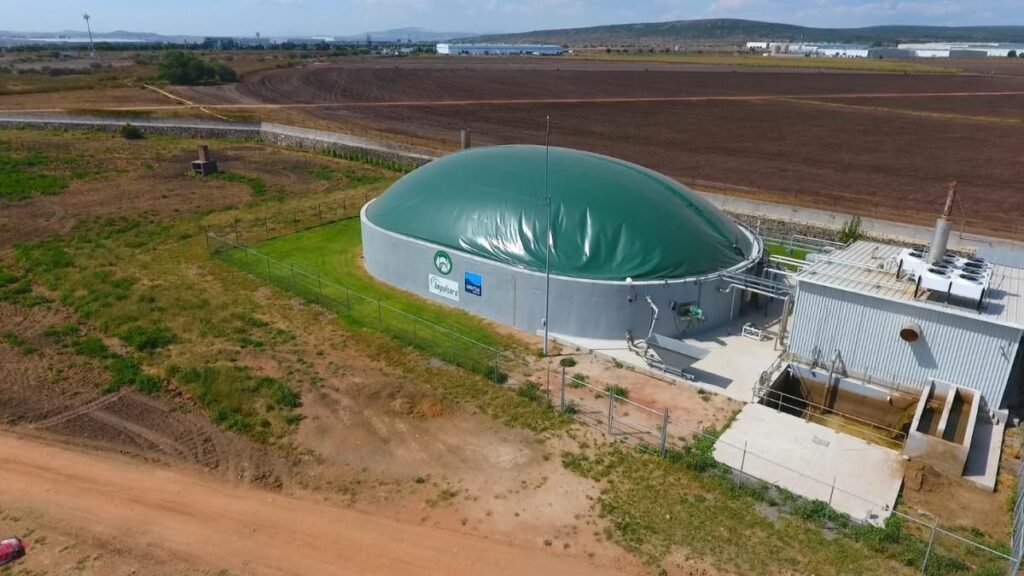
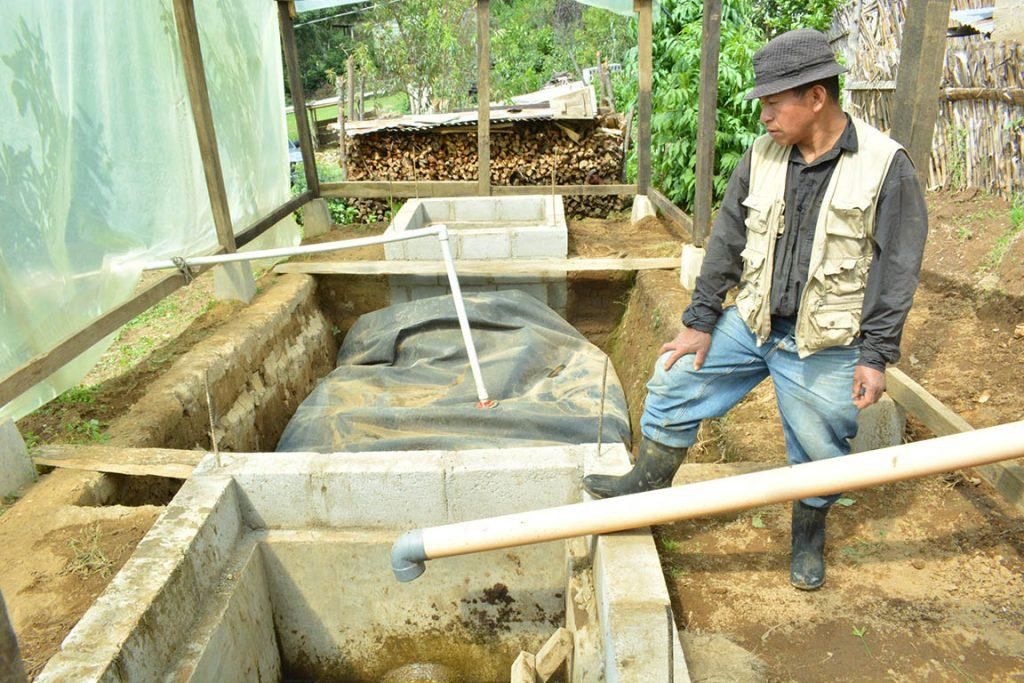
Available images of similar facilities show that biodigesters, both industrial and small-scale, are usually located in rural environments or remote areas, where there is greater distance from residential, commercial and high-traffic areas, which has been pointed out by residents as a contrasting element compared to the location of the project in Puerto Plata.Biodigesters—both industrial and small-scale—are typically located in rural settings or remote areas.
Hofranyi Bonilla García, president of the Ciudad Universitaria Cafemba Neighborhood Association, stated that there is a firm and articulated rejection by multiple neighborhood associations against the installation of the biodigester and the recycling plant. According to his testimony, the project would be operating without environmental and public health permits and would represent an aggravated risk by combining both processes in the same area.
Bonilla García stated that the impact is already perceptible in nearby restaurants, at the Autonomous University of Santo Domingo and in residential areas, in addition to affecting the image of the tourist destination along the cruise passenger route.
He also pointed out that the constant presence of trucks, the handling of waste and the emission of polluting gases would have contributed, in his view, to a process of urban degradation in the area.
The community leader also expressed concern about the actions of the Ministry of Environment commission, indicating that, according to his version, no formal consultation with the affected neighborhood associations would have been carried out, which has generated questions within the community.
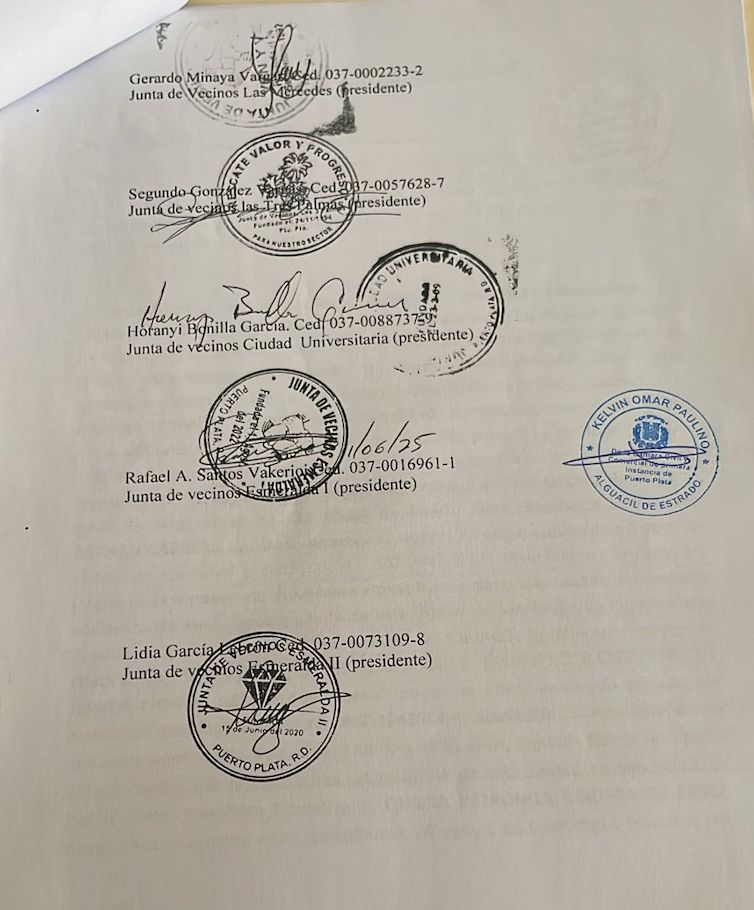
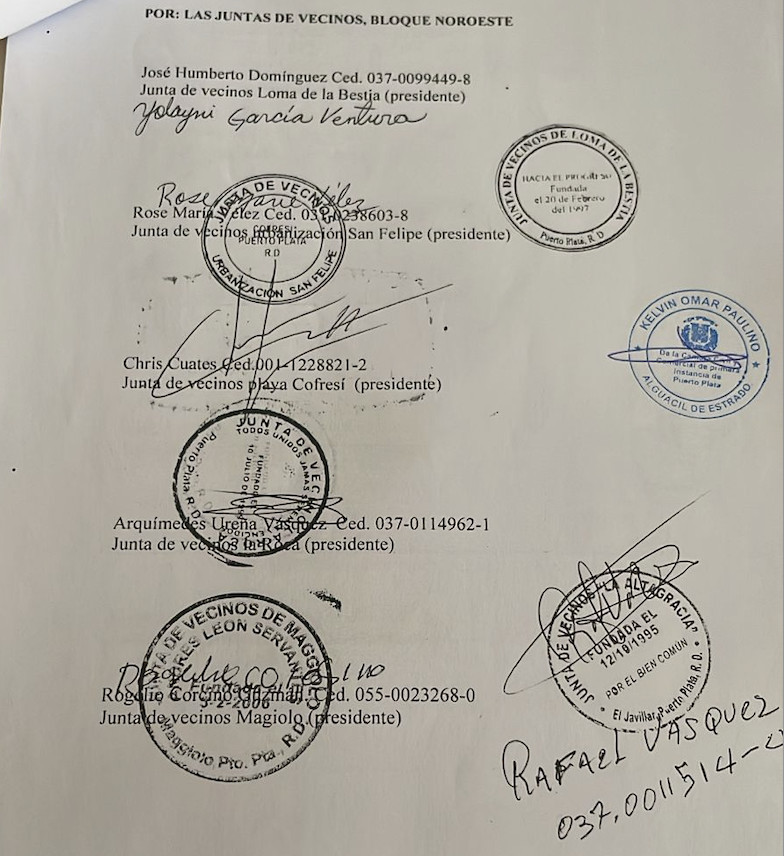
According to the documentation cited in the file, more than ten neighborhood associations have activated legal actions and a mobilization plan, supported by a judicial filing served by bailiffs, consolidating a community coalition that warns of possible health, economic and tourist impacts, as well as potential community and social protest actions in the province of Puerto Plata.
On the economic front, merchants in the area have also reported impacts.
Esequiel González, owner of Pescadería Las Hermanitas, stated that the installation of the biodigester and the recycling plant next to his establishment caused a significant loss of customers, attributing it to a persistent stench perceived in the surroundings.
According to his testimony, customers would leave the premises after perceiving the odor and questioning whether it was a sewer right next to the restaurant, which would have directly impacted the operation of the business.
González also indicated that both industrial operations would be functioning simultaneously, generating cumulative effects associated with processes such as crushing, washing and emissions, which, in his view, affect air ualityand the immediate environment.Esequiel González, owner of Pescadería Las Hermanitas.
The legal file, according to this outlet’s investigation, documents organized opposition against the installation of the plant in an area designated for residential and tourist use, pointing to the absence of permits required by Law 64-00 on Environment and Natural Resources and Law 225-20 on Comprehensive Solid Waste Management.
The case remains under evaluation by the competent authorities and, so far, no definitive decision has been issued. In this context, complaints and suspicions have emerged within the community about possible irregularities and institutional support for the project, presented as perceptions of the complainants and not as confirmed facts.
This is a developing story, return to this newspaper for further updates.

Comments (0)
Be the first to join the conversation.