
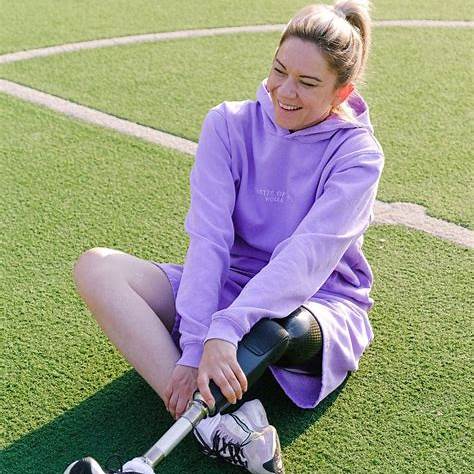

There is a popular image of amputee resilience that looks like a sprint, a marathon, a triumphant social media post. That story is real for some people, and it can be inspiring. But there is another kind of resilience that rarely gets photographed. The quiet comeback. The day you stand up without panicking. The day you walk a short distance and don’t feel like the world is watching. The day you laugh and realize it wasn’t forced.
If you use a prosthesis, learning it can feel like learning a new language. Your body is translating sensation and balance in real time. Progress can be uneven. Some days feel like leaps. Some days feel like setbacks. Both belong to recovery. A useful mindset is to track effort, not only results. The discipline of showing up often matters more than the distance you cover.
Receive breaking news alerts
Immigration, New York, Dominican Republic and investigative news delivered directly to your phone and computer.

Free — unsubscribe anytime.
Many amputees describe reclaiming life through goals that have nothing to do with athletics. Cooking again. Returning to work. Driving. Taking a child to school. Traveling. Each “ordinary” task can be a victory because it means you are rebuilding a life on your terms. You are not required to become a symbol. You are allowed to become yourself again.
If you are struggling emotionally, it can help to connect with peers who understand prosthetics, phantom sensations, pain, and the social realities. Peer support is not motivational speaking. It is practical truth. It can be the difference between feeling isolated and feeling seen.

Comments (0)
Be the first to join the conversation.