

WASHINGTON.-Donald Trump emerged victorious from the Supreme Court. He has not yet secured a ruling declaring his offensive against mail-in voting constitutional, but he succeeded in removing one of the main obstacles preventing the federal government from beginning to transform the electoral system before November’s congressional elections.
The decision, issued by a 6-3 vote, suspended a court order that had protected 23 states and the District of Columbia from provisions of the executive order Trump signed on March 31.
Receive breaking news alerts
Immigration, New York, Dominican Republic and investigative news delivered directly to your phone and computer.

Free — unsubscribe anytime.
The conservative majority determined that the states had sued too early and had not yet demonstrated a concrete injury. Based on that reasoning, the Court allowed the Department of Homeland Security to proceed with preparing federal citizenship lists and permitted the Department of Justice to prioritize investigations related to the issuance of ballots to individuals considered ineligible.
Trump thus secured a victory capable of altering the historic relationship between Washington and the states. Elections in the United States have traditionally been administered by state authorities, which determine registration, identification and voting procedures within the boundaries established by the Constitution and Congress.
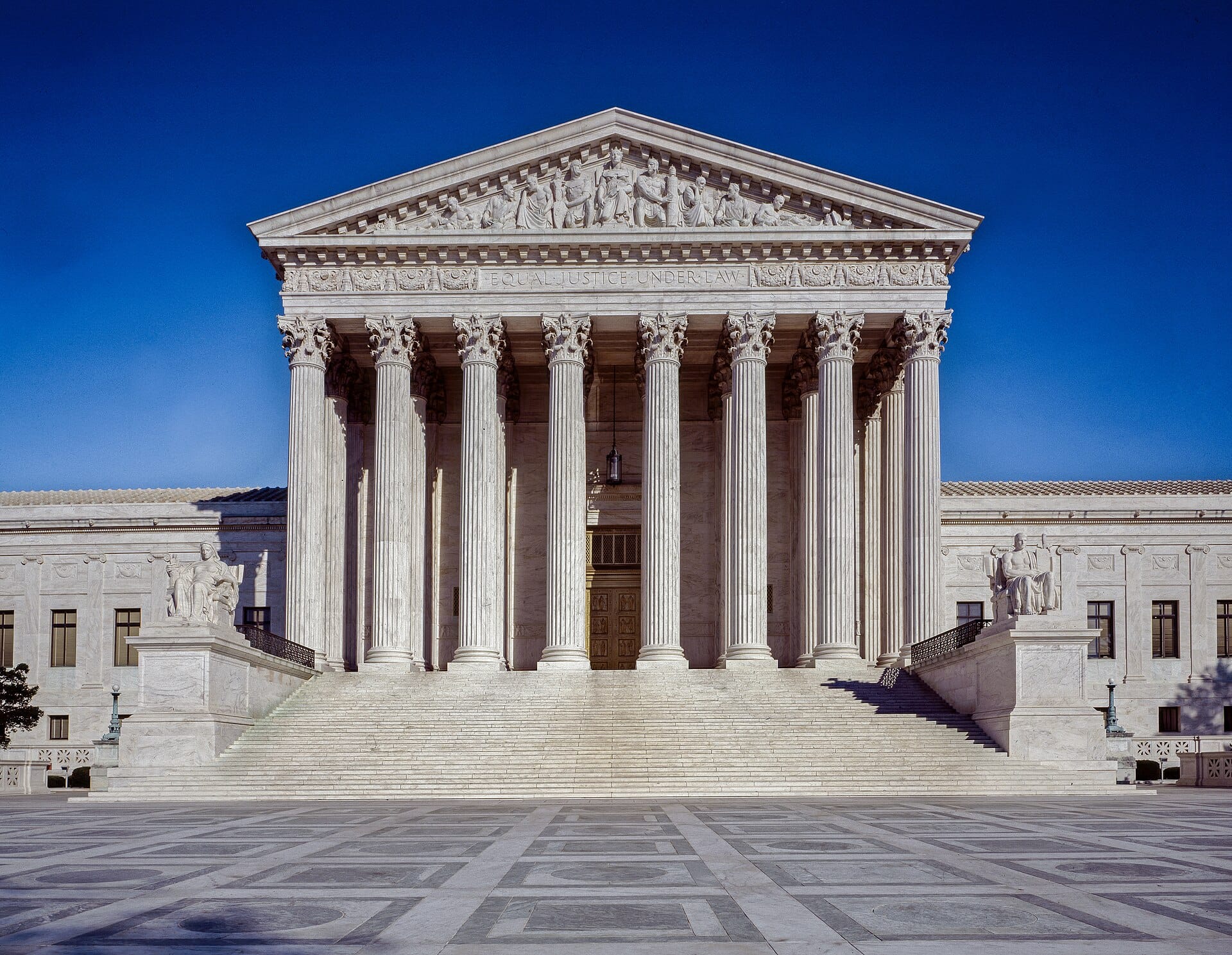
Official U.S. Supreme Court ruling in Trump v. California, issued on August 24, 2026, concerning federal restrictions on mail-in voting.
The presidential order brings the Executive Branch and the Postal Service into that space. The new rule requires states to provide information about the individuals who will receive ballots, use envelopes bearing federally prescribed features and assign individual barcodes to election mail.
If those provisions ultimately take effect, the Postal Service would no longer function solely as a carrier. It could temporarily reject batches of ballots that fail to comply with federal requirements, effectively becoming a checkpoint between election authorities and voters.
The Supreme Court did not determine that Trump possesses the constitutional authority to impose that model. Nor did it decide the merits of the case. By declaring the lawsuit premature, however, the Court allowed the federal structure to continue advancing until it produces a more visible injury and can be challenged again.
That delay favors the president. The elections will be held on November 3, and some states must soon begin sending ballots to military personnel and citizens living abroad. Every week consumed by litigation reduces the time available to redesign envelopes, modify systems and provide guidance to millions of voters.
A second court order that blocks nationwide enforcement of the postal restrictions remains in effect. For that reason, the ruling does not immediately change how Americans vote.
Nor does it mean that voting without identification has ended. The Court did not establish a national voter identification requirement or order voters to include a copy of a driver’s license or passport with their ballots. Those requirements continue to depend on the laws of each state.
Trump’s victory has a different reach: he succeeded in allowing the federal government to prepare its own citizenship lists, monitor decisions made by state officials and build a postal system capable of conditioning the circulation of ballots. Although the legal battle continues, his offensive has already moved beyond political rhetoric and into the operational structure of American elections.

Comments (0)
Be the first to join the conversation.