

The war involving the United States, Israel, and Iran, which began with coordinated airstrikes on February 28, 2026, has entered a volatile and uncertain phase marked by fragile ceasefires, economic disruption, and continued military tension across the Middle East.
The conflict started when U.S. and Israeli forces launched large-scale strikes targeting Iranian military infrastructure, leadership figures, and elements tied to its nuclear program. Iran responded with missile and drone attacks against Israel, U.S. bases, and allied countries, while also moving to disrupt global trade by closing or restricting access to the Strait of Hormuz, one of the world’s most critical النفط shipping routes.
Receive breaking news alerts
Immigration, New York, Dominican Republic and investigative news delivered directly to your phone and computer.

Free — unsubscribe anytime.
In recent days, tensions have intensified around that strategic waterway. The United States has enforced a naval blockade, while Iran has seized vessels and declared it “impossible” to reopen the strait under current conditions. The standoff has paralyzed maritime traffic, stranded thousands of seafarers, and triggered global economic consequences, including reduced growth forecasts in Europe and emergency interventions by affected countries.
Despite ongoing hostilities, diplomatic efforts continue. President Donald Trump recently extended a ceasefire to allow negotiations to proceed, though the agreement remains uncertain and lacks full commitment from all parties. Iran has expressed skepticism, viewing the extension as a possible tactical maneuver rather than a genuine step toward peace.
At the same time, internal dynamics within Iran have added complexity to the conflict. Reports indicate leadership divisions following the killing of top officials earlier in the war, with factions split between negotiating with the United States and continuing resistance. The economic impact of sanctions and war pressure has also shifted public opinion inside Iran, with some citizens increasingly blaming external actors, including the U.S. and Israel, for the country’s hardships.
The human cost continues to mount. Civilian casualties across the region, including in Iran, Lebanon, and other affected areas, have drawn international concern. Religious and global leaders have publicly condemned the violence, warning of the long-term humanitarian consequences and the collapse of diplomatic pathways.
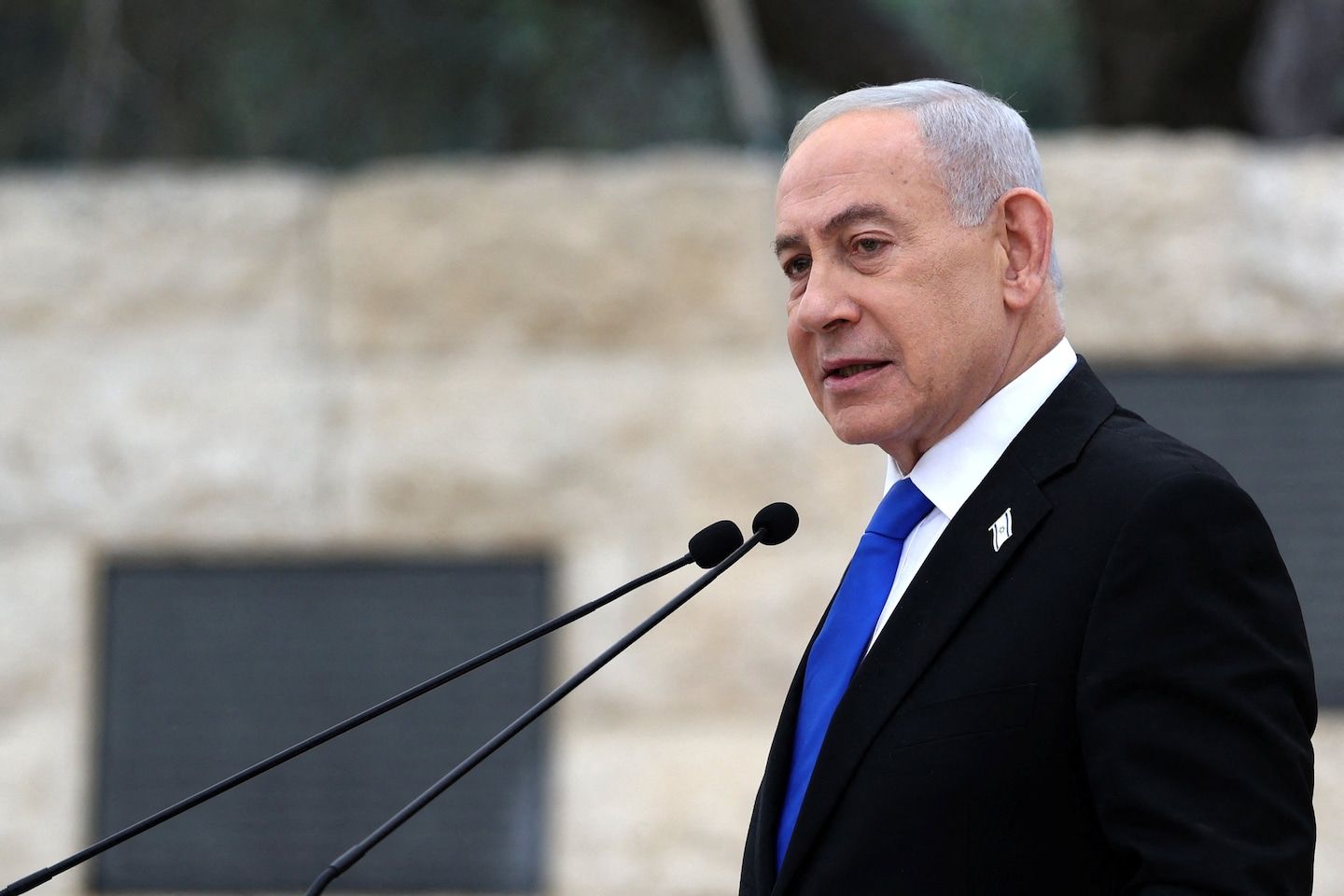
Meanwhile, Israeli Prime Minister Benjamin Netanyahu confirmed he delayed revealing a cancer diagnosis during the war to avoid giving Iran a strategic advantage, underscoring the level of geopolitical sensitivity and psychological pressure surrounding the conflict.
As of now, the war shows no clear resolution. Military actions, economic warfare, and diplomatic negotiations are unfolding simultaneously, creating a highly unstable environment where escalation or de-escalation could occur rapidly depending on developments in the Strait of Hormuz and ongoing peace talks.

Comments (0)
Be the first to join the conversation.