
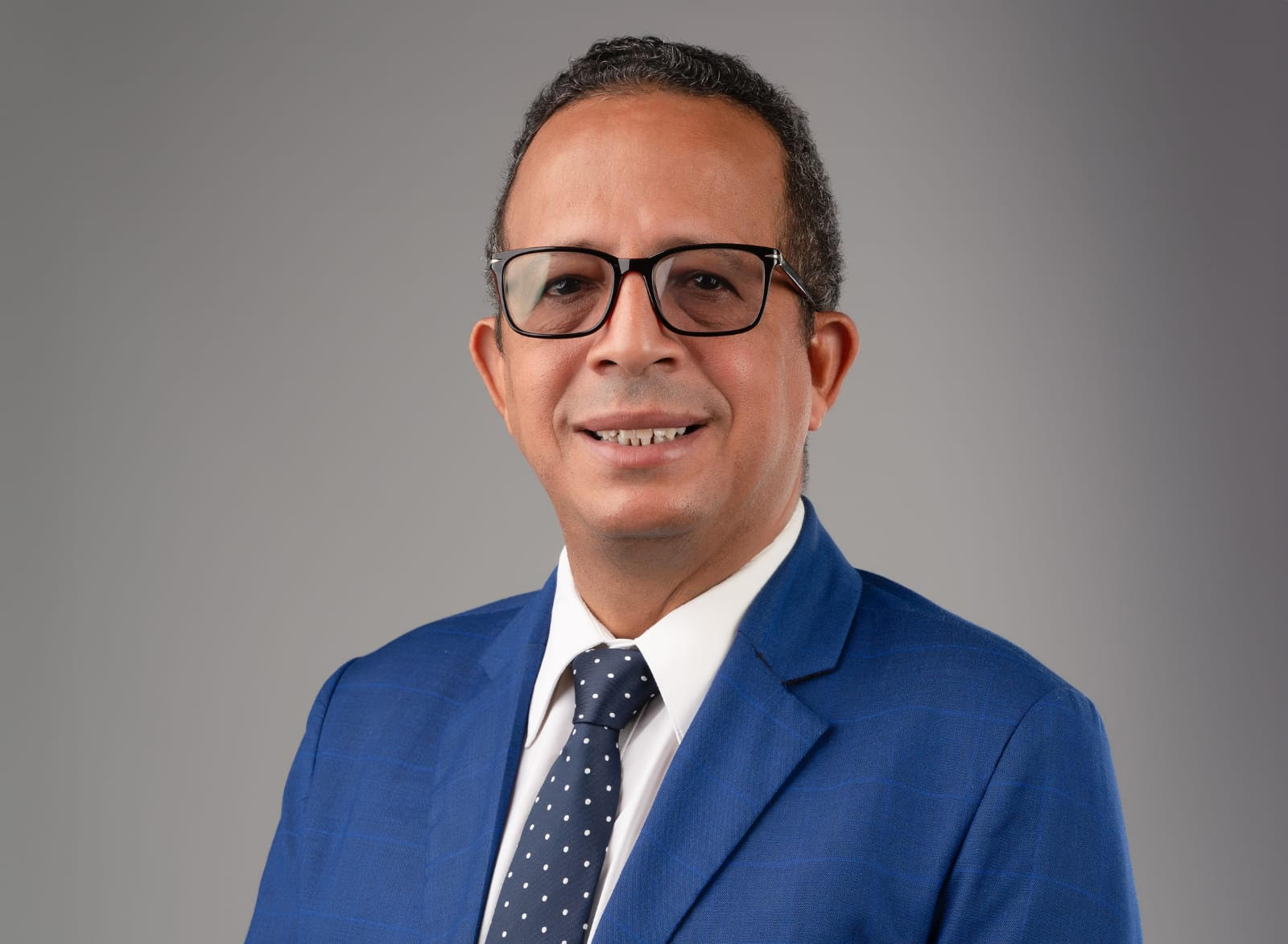

SANTO DOMINGO, Dominican Republic.- Pablo Vicente, president of the Foundation for Justice and Local Development, known as FUJUDEL, warned that the high level of abstention recorded in the 2024 elections is a serious warning sign for Dominican democracy. He called for a national road map to turn into concrete action the recommendations of a study conducted by the Inter-American Institute of Human Rights through CAPEL, at the request of the Central Electoral Board, or JCE.
Vicente said it is concerning that electoral abstention reached 45.6 percent in the 2024 general elections, while national participation stood at 58.6 percent. The situation is even more critical among Dominicans living abroad: only about 19 percent of eligible voters participated, leaving abstention at 81 percent.
Receive breaking news alerts
Immigration, New York, Dominican Republic and investigative news delivered directly to your phone and computer.

Free — unsubscribe anytime.
“The main risk would be for this important study to end up filed away as a good diagnosis. The next step is to build a road map that establishes responsibilities, priorities and concrete actions to address the causes of abstention before the 2028 elections,” said the FUJUDEL president.
The civil-society leader said the findings should prompt deep reflection, especially because they show that the problem cannot be explained simply as citizen apathy. The study identifies growing disenchantment with the political choices available, to the point that 47 percent of those surveyed believe the electoral options are “more of the same.”
For the electoral-law specialist and university professor, one of the most significant findings is that 74 percent of the population continues to support democracy as a system of government despite its distance from the polls. “This means we are not necessarily facing citizens who reject democracy, but citizens who demand more credible politics, better proposals and representation better able to connect with their needs,” he said.
In that regard, he argued that the response to electoral abstention cannot fall exclusively on the Central Electoral Board. “The JCE has important responsibilities regarding accessibility, electoral education and organizing the process, but political parties and candidates must also accept their share of responsibility. We cannot expect to solve a political problem solely through administrative measures,” he said.
Vicente proposed building the road map with the participation of the JCE, political parties, civil society, academia and other actors in the democratic system, with goals and monitoring mechanisms to assess progress periodically.
Among the priorities he identified were rebuilding public trust, strengthening civic and electoral education, creating a stronger connection between political parties and social demands, reviewing barriers that make voting more difficult, and progressively implementing measures that facilitate participation by Dominicans living abroad.
The study also shows that abstention is concentrated significantly in urban areas. It finds that age and gender weigh less in the decision not to vote than factors related to trust, perceptions about the usefulness of voting and how voters assess the available political choices.
“Looking toward 2028, we have enough time to act, but we should not wait for the next electoral process to begin. Abstention is a phenomenon that must be addressed now through a sustained, evidence-based strategy with clearly defined responsibilities,” Vicente said.
The FUJUDEL president valued the research because it provides relevant information for understanding one of the main challenges facing Dominican democracy. However, he insisted that the study’s true value will depend on the ability of the political and institutional system to put its conclusions into practice.
“The study tells us what is happening and offers recommendations. The challenge now is to turn that knowledge into a national road map to rebuild trust, bring politics closer to citizens and ensure that by 2028 more Dominicans understand that their vote can make a difference,” Pablo Vicente concluded.

Comments (0)
Be the first to join the conversation.