
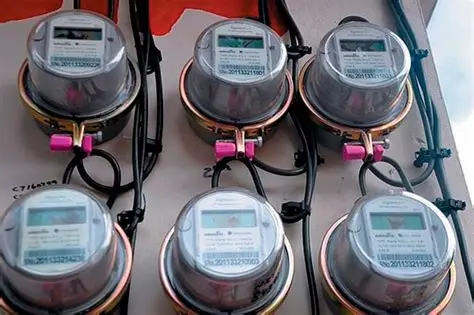

Santo Domingo, DR.- Understanding household electricity consumption requires identifying a key figure on the electric bill: the number of kilowatt-hours used during the billing period. This figure makes it possible to determine how much energy use actually increased or decreased.
A simple way to calculate it is to locate the previous and current meter readings. Subtracting the first figure from the second gives the consumption recorded during the corresponding period.
Receive breaking news alerts
Immigration, New York, Dominican Republic and investigative news delivered directly to your phone and computer.

Free — unsubscribe anytime.
For example, if the previous reading was 12,450 kWh and the current reading is 12,730 kWh, the difference is 280 kWh. That amount represents the kilowatt-hours used during the period being analyzed.
It is important to distinguish kilowatts from kilowatt-hours. Kilowatts (kW) express the power of an electrical appliance, while kilowatt-hours (kWh) represent the energy used over a given period and are the unit commonly used to measure consumption.
In simple terms, an appliance with a power rating of 1 kW that runs for five hours would use approximately 5 kWh. This relationship helps explain why higher-powered equipment, or appliances used for longer periods, can increase consumption.
However, a higher bill does not necessarily mean that much more electricity was used. The final amount may also include the applicable rate, service-related charges, taxes and other items reflected on the bill.
For that reason, to determine whether consumption actually increased, it is useful to first compare the current period’s kWh with the figures recorded in previous months rather than looking only at the amount of money due.
The meter reading can also be used to check consumption. Users can write down the figure currently displayed on the meter and compare it with the reading listed on the bill, bearing in mind that differences may be related to the date the reading was taken or other factors.
Comparing several months makes it possible to detect significant variations. If a household regularly uses between 200 and 250 kWh and later records 400 kWh, it may be worth checking which appliances were running for longer periods.
Appliances that can account for significant consumption include air conditioners, water heaters, refrigerators, water pumps, dryers and electric stoves. Edesur Dominicana also offers guidance on how to read the meter and control electricity use.
The basic formula is to subtract the previous reading from the current one. Once consumption in kWh has been identified, the applied price and other charges included on the bill can be reviewed to better understand how the total amount is determined.

Comments (0)
Be the first to join the conversation.