
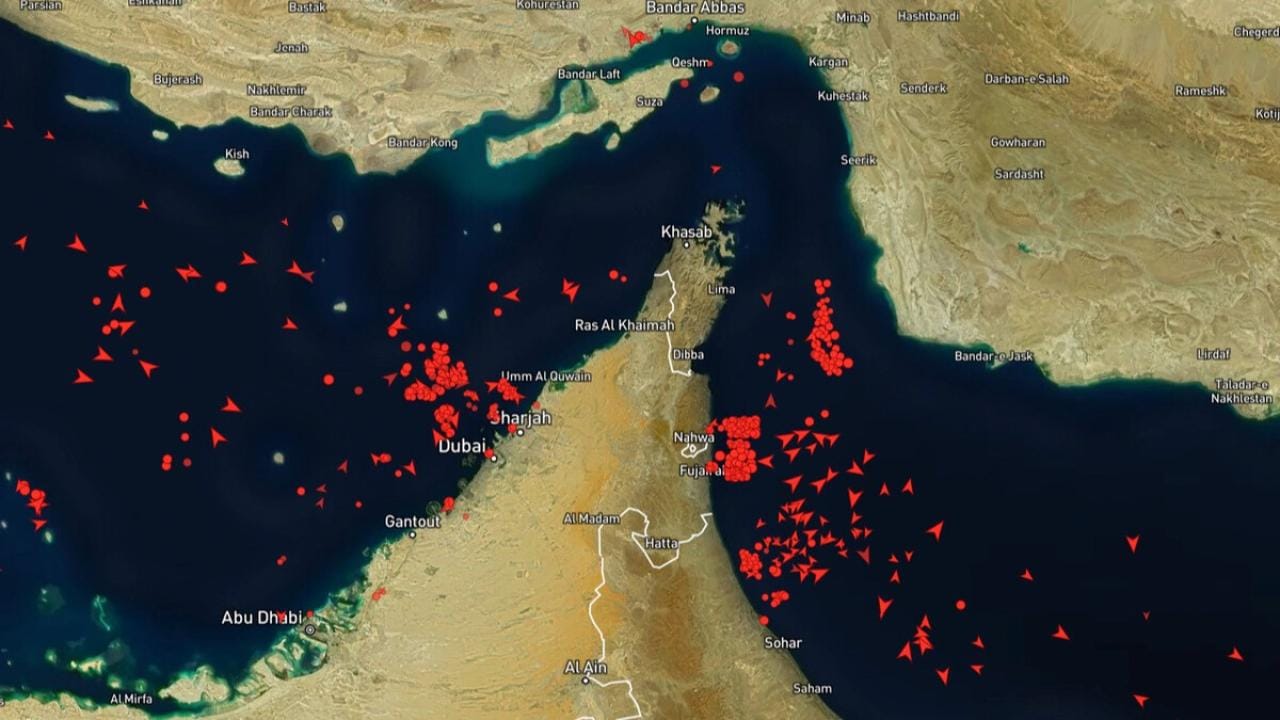

WASHINGTON — The United States intensified its warnings to Iran on Thursday as tensions in the Strait of Hormuz escalated, threatening one of the world’s most critical oil shipping routes.
Secretary of State Marco Rubio said Washington would not accept any unilateral Iranian attempt to impose restrictions or tolls on commercial passage through the strategic waterway, which handles a significant share of global crude exports.
Receive breaking news alerts
Immigration, New York, Dominican Republic and investigative news delivered directly to your phone and computer.

Free — unsubscribe anytime.
The warning comes as thousands of sailors remain stranded aboard vessels in the Persian Gulf following Iran’s tightening control measures in response to recent military confrontations involving U.S. and allied forces.
According to international maritime reports, shipping operators have faced growing uncertainty, with insurance costs rising sharply and several commercial routes disrupted.
The Strait of Hormuz, located between Iran and Oman, remains a geopolitical flashpoint due to its strategic importance for global energy markets. Any prolonged disruption could have immediate consequences for oil prices, inflation and international trade.
Diplomatic efforts involving regional mediators continue, but no breakthrough has been announced.
Thousands of Sailors Trapped as Hormuz Standoff Sparks Humanitarian Maritime Crisis
DUBAI — More than 20,000 sailors remain stranded aboard vessels in and around the Strait of Hormuz as the confrontation between the United States and Iran triggers a growing humanitarian crisis at sea.
Maritime advocacy groups reported increasing distress calls from crews facing shortages of food, drinking water and medical supplies, while many remain unable to disembark amid security concerns.
The crisis follows Iran’s expanded maritime control measures after months of military escalation involving U.S. naval operations in the Gulf.
Shipping companies have delayed voyages or rerouted vessels as fears of drone attacks, naval mines and further military incidents continue to disrupt one of the world’s busiest shipping corridors.
Industry analysts warn that prolonged instability in Hormuz could severely affect global supply chains, particularly oil and liquefied natural gas exports from Gulf nations.
Governments in the region have reportedly coordinated limited humanitarian assistance, but thousands remain effectively trapped in dangerous conditions.

Comments (0)
Be the first to join the conversation.